
Risk & Due Diligence
How to Avoid Getting Scammed Buying in Punta Cana
Most fraud in Punta Cana real estate isn’t sophisticated — it’s preventable with the right checks. This page walks through the specific risks foreign buyers face — legal, currency, liquidity, climate, and developer risk — and exactly what to verify before you commit a dollar.
Ensuring Your Investments
Comprehensive Risk and Due Diligence
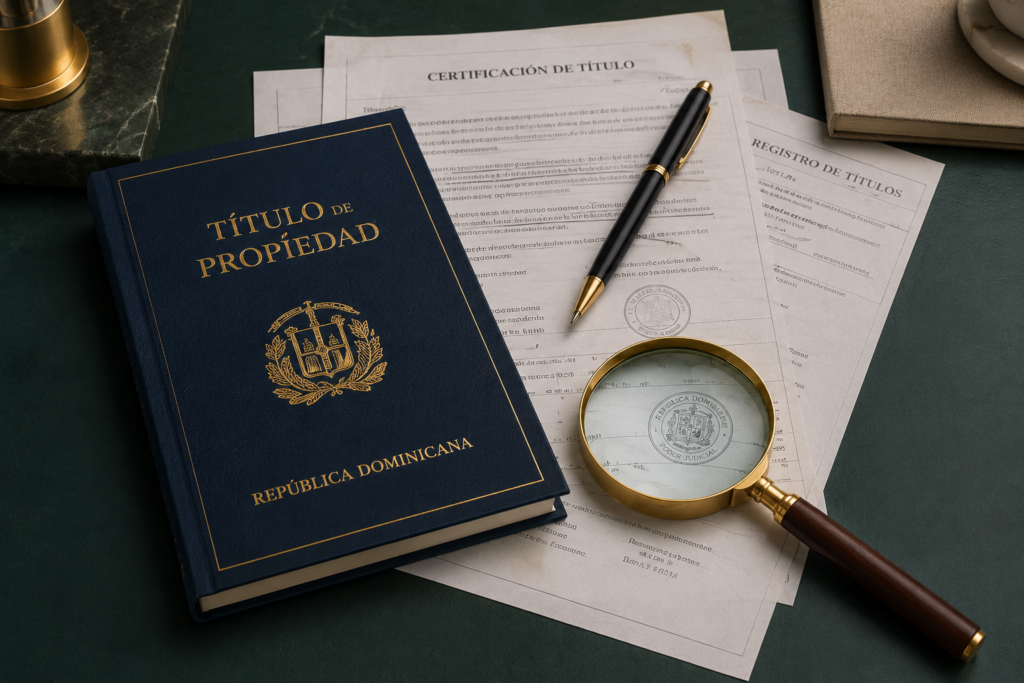
Verify the Legal Basics

Know the Five Risks

Protect Your Money in Preconstruction
FAQs
Your Questions Answered on Real Estate Risk and Due Diligence
The real estate risk score is a structured rating that helps foreign investors evaluate how risky a property or preconstruction project may be before committing funds. It reviews key factors such as title status, deslinde, fideicomiso, escrow use, developer track record, CONFOTUR verification, legal documentation, location liquidity, climate exposure, currency risk, and resale potential.
The result is not a guarantee or legal opinion. It is a decision-support tool designed to identify red flags, compare risk levels, and show which areas require deeper due diligence before buying.
Hidden costs can include maintenance fees, property taxes, insurance, and closing costs. It’s important to account for these expenses by creating a detailed budget. Always ask for a complete breakdown from the seller and consider using tools to help estimate ongoing costs so you can plan effectively.
It’s the registered legal survey that defines a property’s exact boundaries. Without it, you can’t be certain what you’re actually buying, and boundary disputes become very likely.
You verify a developer by reviewing their legal standing, completed project history, construction track record, financing structure, permits, fiduciary/trust arrangement, and reputation with prior buyers. For preconstruction projects, confirm whether payments go into a fideicomiso or escrow account instead of directly to the developer.
Remote buying can be safe if you take the right precautions, such as working with trustworthy agents and conducting virtual tours. Use technology to gather as much information as possible about the property and ensure that all legal processes are followed. However, it’s advised to visit the property whenever possible prior to finalizing your investment.